
Steel or Timber Shed: Which Is Right for Your Garden?
Choosing a steel or timber shed is not simply a decision between two appearances. Each material responds differently to moisture, temperature changes, impact, maintenance and everyday use. The right option depends on what you plan to store, how often you will use the building, the character of the garden and the amount of upkeep you are comfortable carrying out. Irish rain and wind make installation important whichever material you select.
Begin With Everyday Use
Start with the shed’s job. Straightforward storage for garden tools, wheelie bins or seasonal furniture may need a different specification from a workshop, hobby space or regularly used building. Consider the value and sensitivity of the contents, whether bulky equipment must pass through the doors and whether you need shelves, wall hooks, windows or work surfaces.
A garden shed is usually easier to live with when its internal layout is planned before purchase. Steel panels may use proprietary shelving or freestanding units, while timber walls can often accept suitable fixings more readily. However, fixings must never weaken the structure or puncture weatherproof surfaces. Check the manufacturer’s guidance and keep heavy storage stable and evenly loaded.
Also think about how the shed will sit in the wider garden. A timber finish may blend naturally with fencing, decking and planting. A modern coated-steel building can work well beside contemporary paving or in a service area where clean lines and low routine treatment are priorities.
Steel or Timber Shed Differences
Steel sheds are generally chosen for their practical finish, resistance to rot and reduced need for repainting or preservative treatment. Galvanised or coated panels can provide a neat enclosure for garden storage, and the material does not attract wood-boring insects. A well-designed steel building can also offer strong doors and secure locking points.
Steel is not maintenance-free. Scratches, damaged coatings, loose fixings and areas where water collects should be addressed before corrosion becomes established. Lightweight panels can also be vulnerable to denting or movement if the frame is poorly assembled or inadequately anchored. In exposed gardens, the quality of the frame, fixings and anchoring matters as much as the sheet material.
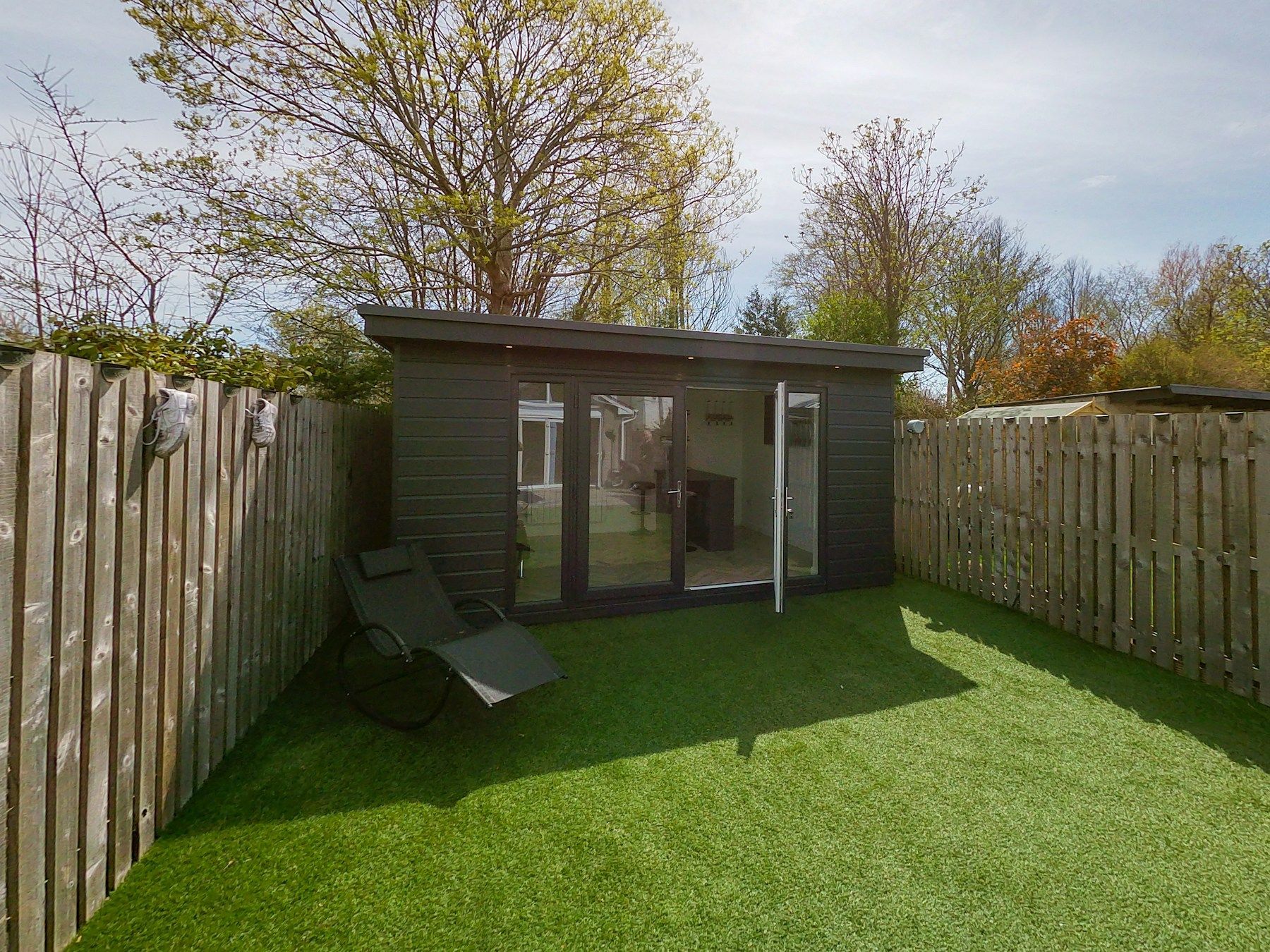
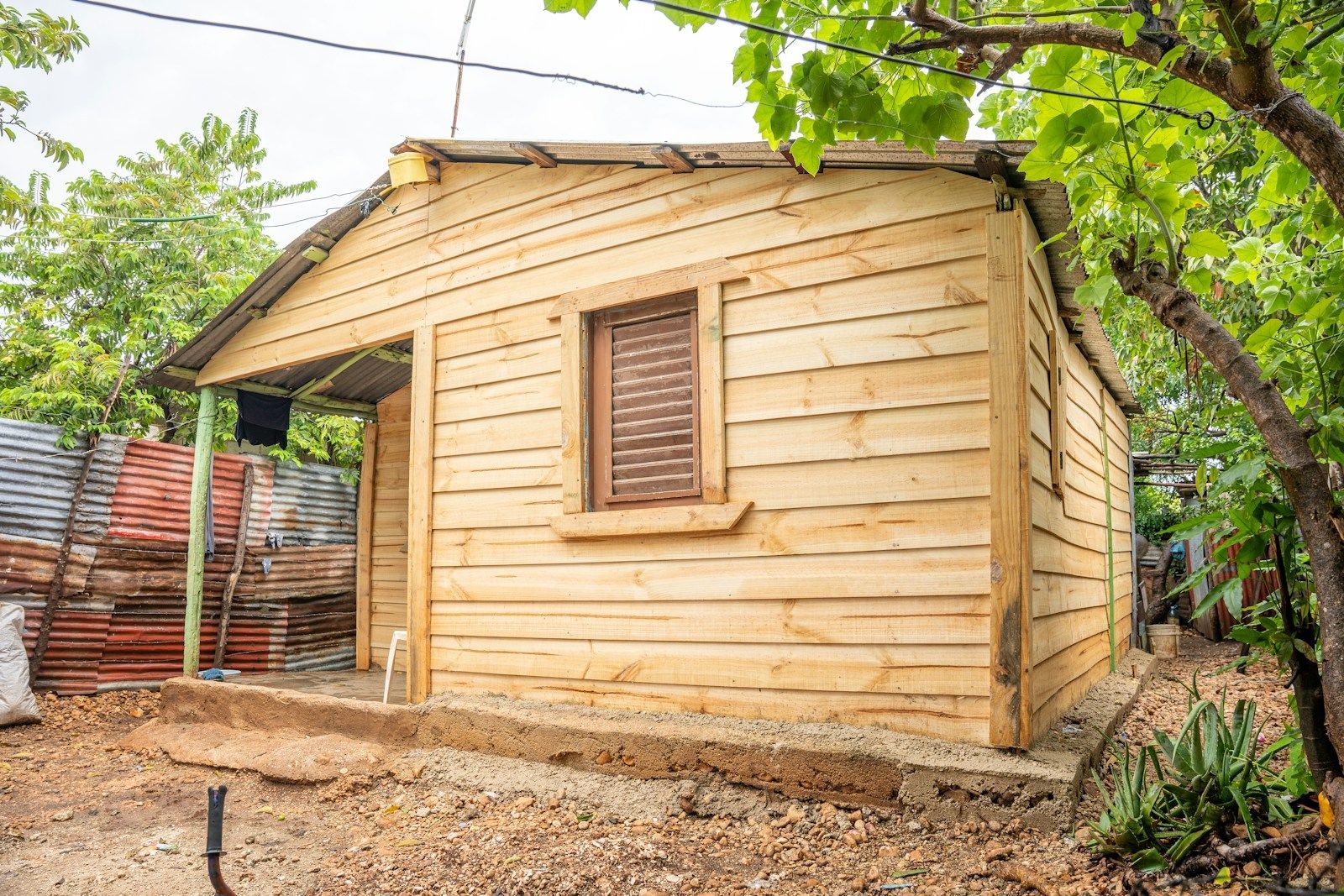
Timber sheds offer a warmer, more traditional appearance and can be easier to customise with shelves, paint colours and internal linings. Substantial framing and good-quality cladding create a building that feels solid and can be adapted for uses beyond basic storage. Timber also has naturally better insulating qualities than a thin, unlined metal panel, although a true year-round room requires a properly designed insulated construction rather than an ordinary shed.
The trade-off is ongoing care. Timber must be protected from prolonged damp, leaking roofs and vegetation touching the walls. Coatings eventually need renewal, while joints, lower boards and exposed edges should be checked regularly. Prompt treatment of small faults helps prevent more extensive decay.
Condensation and Irish Weather
Condensation is a key consideration in an uninsulated steel shed. Metal cools quickly, and warm moist air inside can form droplets on the underside of the roof or walls. Ventilation, airflow around stored items and appropriate anti-condensation measures can reduce the problem, but they need to be considered as part of the shed specification rather than added after belongings become damp.
Timber can buffer small changes in temperature differently, but it is still vulnerable to condensation and trapped moisture. Wet tools, bicycles, garden furniture and fuel-free equipment should be allowed to dry, and air vents must not be blocked by boxes or shelving. Neither material makes a suitable environment for moisture-sensitive possessions unless the building’s ventilation and insulation match that use.
Rainwater should be directed away from the walls and entrance. Gutters can help where the roof design permits, provided the outlet has a safe destination. Trees and hedges should not rub against the building, and enough space should remain around it for inspection, cleaning and repairs after winter weather.
Security, Access and Safety
Material alone does not determine security. Door construction, hinges, locks, frames, window design and the way the shed is fixed to its base all matter. A thin door or exposed fasteners can undermine an otherwise sound building. If valuable equipment will be stored, choose the complete security specification rather than assuming that metal is automatically secure or timber is automatically vulnerable.
Useful points to compare include:
- door width and threshold height for mowers or bicycles;
- hinges, locking points and whether fixings are externally exposed;
- window placement, privacy and internal visibility;
- ventilation that does not create an easy access point;
- anchoring details for the building and stored equipment;
- safe edges, stable shelving and adequate internal lighting.
Assembly safety deserves attention, particularly with steel kits that may include sharp edges and large flexible panels. Timber panels and roof sections are also heavy and awkward. Professional installation is sensible where access is tight, the ground is uneven or the structure requires several people to lift and align components safely.
Base, Drainage and Installation
Both steel and timber sheds need a firm, level base that suits the manufacturer’s support pattern. A base that settles can distort door openings, strain joints and allow water to collect. Concrete, properly laid paving or an engineered support system may be suitable depending on the shed, ground and intended load. Placing either material directly on soil or grass is rarely a durable solution.
Timber floors need separation from wet ground and airflow where the design requires it. Steel structures must be anchored securely, and the fixing method should avoid creating points where water can enter or corrosion can begin. The base should not project in a way that channels rain beneath the walls.
Confirm access before ordering. Narrow side passages, steps, overhanging branches and limited working room can affect delivery and assembly. Services in the ground, nearby drains and finished floor height should be checked before excavation. Where a larger building, unusual position or boundary issue is involved, homeowners should also check any relevant planning requirements.
Match the Shed to Priorities
A steel shed may suit homeowners who want practical storage, a clean finish and less routine surface treatment. Timber often suits those who value a traditional appearance, easier customisation and a more substantial workshop feel. Quality varies within both categories, so compare framing, doors, roof systems, ventilation and installation details rather than judging on the outer material alone.
APCO has more than 30 years of experience assessing gardens and installing outdoor buildings. Explore its steel shed options and timber shed range, or use the contact page to discuss your garden.
If you are deciding between a steel or timber shed and want advice or a quotation, call APCO on 01 626 3496 .
Recent Posts