
Garden Fencing in Lucan: Choosing the Right Style
Garden fencing in Lucan needs to do more than mark a boundary. The right fence should provide the level of privacy, security and shelter your household needs while fitting the scale and character of the garden. It must also cope with damp conditions, seasonal wind and regular changes in Irish weather. With several styles and construction methods available, the best choice begins with how the space is used rather than appearance alone.
Start with the purpose of your garden fence
Before comparing panels, boards or colours, decide what the fence needs to achieve. A rear boundary overlooked by neighbouring homes may call for privacy, while a front garden often benefits from a lower, more open style. Families may prioritise a secure enclosure, whereas keen gardeners might want a structure that supports climbers without casting excessive shade.
Look at every boundary separately. The most suitable fence beside a patio may not be right along a narrow side passage or behind a planting bed. Consider sightlines from windows and seating areas, the direction of prevailing wind and how gates connect the house to bins, sheds and outside storage.
It is also sensible to establish who owns or maintains an existing boundary before removing it. Check available property information and speak with the adjoining neighbour where work may affect a shared edge. Clear agreement at the outset can prevent confusion about the line, final height, appearance and access required for installation.
Popular styles for garden fencing in Lucan
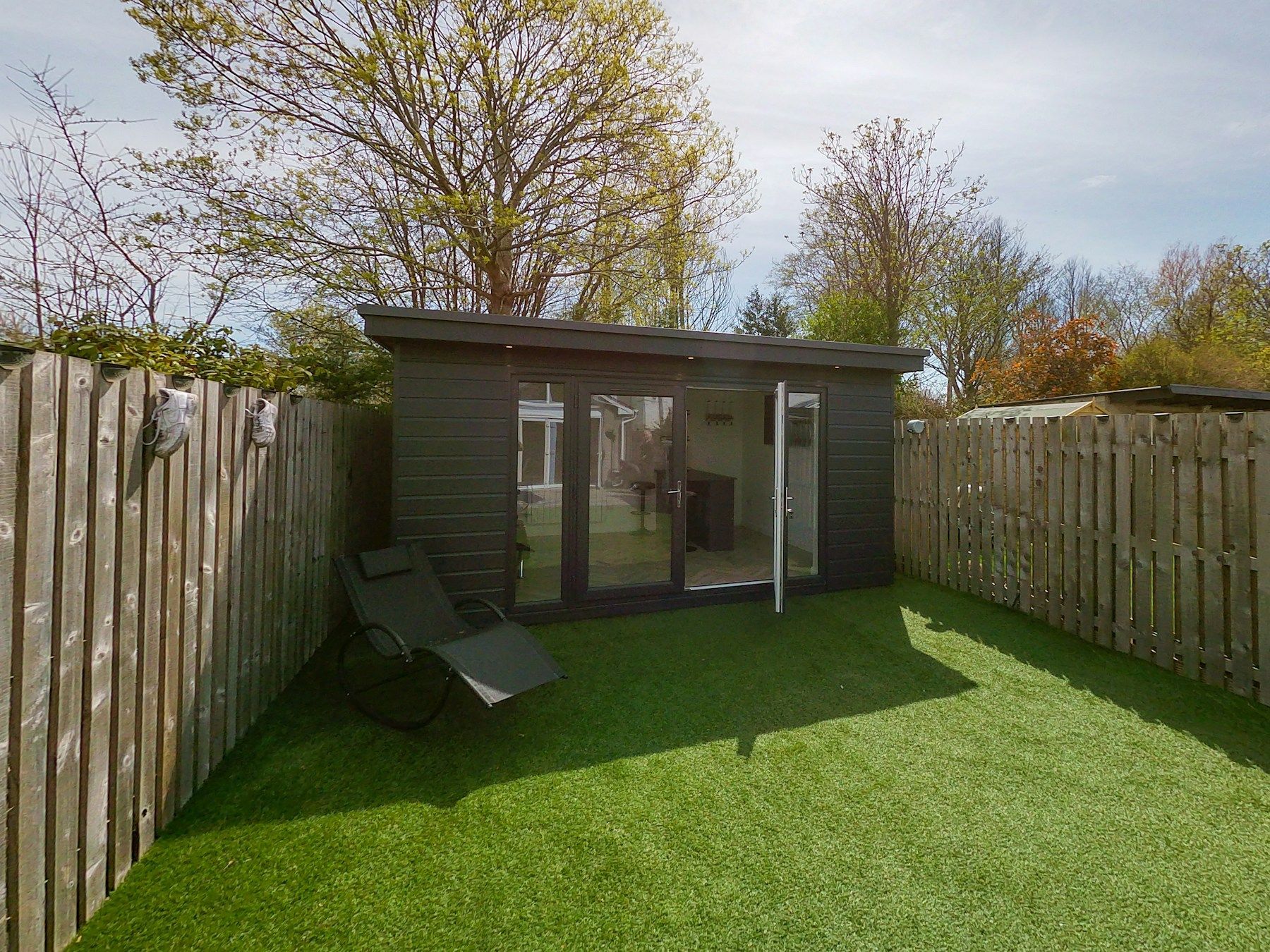
Traditional timber fence panels remain a practical option for many residential gardens. They create a consistent finish, are relatively straightforward to replace section by section and work well with concrete or timber posts. Panel quality varies, so thickness, framing and treatment matter as much as the pattern visible from the garden.
Closeboard fencing is assembled from overlapping vertical boards fixed to horizontal rails. Its solid construction provides privacy and can follow modest changes in ground level more easily than some standard panels. Because it is built as a continuous system, careful post spacing and strong rails are important.
Slatted fencing has a more contemporary appearance and allows some light and air to pass through. It can make a smaller garden feel less enclosed, but wide gaps will reduce privacy. Horizontal lines also make inaccuracies in posts or levels easy to notice, so preparation and installation need to be precise.
Picket or palisade-style fencing suits boundaries where definition is needed without blocking views. It can work well around a front garden, a planted area or a section that needs visual separation rather than full screening. Decorative trellis can also soften the top of a solid fence, although the complete structure must remain stable and appropriately proportioned.
Choose posts and bases for long-term stability
A fence is only as reliable as its support system. Posts must be installed at suitable centres, set securely and kept upright while the foundations cure. The correct depth depends on fence height, ground conditions, exposure and the construction method. Soft or disturbed soil may require a different approach from firm, undisturbed ground.
Concrete posts and gravel boards are widely chosen where durability at ground level is a priority. They keep timber panels away from wet soil and make individual panels easier to change later. Their weight means access and handling must be planned carefully, particularly through terraced or restricted side entrances.
Timber posts offer a uniform natural appearance and can be easier to adapt around unusual layouts. They need suitable treatment and thoughtful detailing where wood meets the ground. Regardless of material, posts should not be positioned where foundations could damage drains, cables, tree roots or neighbouring structures.
Account for privacy, wind and changing ground levels
A very solid, tall fence may deliver privacy, but it also presents a larger surface to strong wind. In an exposed garden, post strength, foundation depth and panel construction become especially important. Slatted sections or carefully positioned planting may provide screening with less wind resistance, depending on the site.
Changes in level should be resolved deliberately. Standard panels can be stepped, while closeboard systems may follow a slope more gradually. Large gaps beneath panels are unattractive, reduce security and allow soil or mulch to move between properties. Conversely, burying untreated timber into damp ground encourages early deterioration.
- Measure the boundary length and note every change in level.
- Mark gates, corners, drains and restricted access points.
- Check where privacy is genuinely needed from normal viewpoints.
- Consider wind exposure before selecting a fully solid design.
- Allow space for maintenance on both sides where possible.
Do not rely on a fence to retain a significant difference in soil level unless the supporting structure was designed for that purpose. A boundary fence and a retaining structure perform different jobs. Where ground is pushing against an old fence, the level and drainage issue should be assessed before new panels are installed.
Match the finish to the garden and its upkeep
Natural timber can blend easily with lawns, planting and traditional homes. A stain or paint can tie the fence to a shed, decking or exterior joinery, but future maintenance should be considered before choosing a detailed design. Smooth, accessible surfaces are easier to clean and retreat than narrow gaps hidden behind dense shrubs.
Leave a practical separation between planting and the fence. Constant contact with wet foliage slows drying, while vigorous climbers can add weight and make inspection difficult. Suitable climbers can still be used, but they should have their own support and be managed so posts, rails and fixings remain visible.
Check the fence after severe weather and address loose fixings, movement or damaged boards promptly. Keep soil and compost away from timber components that were not intended for ground contact.
Plan installation as part of the wider garden
Fencing work is easier when coordinated with patios, planting, sheds and access routes. If a garden makeover is planned, establish finished levels before fixing gravel boards or gate thresholds. Protect nearby paving and planting during material delivery, and make sure the finished gate opens freely without obstructing paths or drainage channels.
APCO’s garden fencing service covers strong boundary solutions, including timber panels and concrete post systems. With more than 30 years of experience, APCO can assess access, levels, exposure and the intended use of the garden before recommending a suitable approach.
If you are comparing garden fencing in Lucan and would like practical advice or a quotation, contact APCO or call 01 626 3496 . A well-planned fence should feel like part of the garden, provide the right balance of privacy and openness, and remain straightforward to maintain.
Recent Posts