Artificial Grass for Family Gardens: Pros and Considerations
Artificial grass for family gardens can provide a tidy, usable surface where a natural lawn struggles with heavy play, pets, shade or wet ground. It removes mowing and mud, but it is not a universal answer or a maintenance-free product. The quality of the grass, the construction underneath and the way the garden will be used all affect comfort, drainage and long-term appearance. A sensible decision starts with the household’s priorities rather than colour or pile length alone.
Where Artificial Grass Can Help
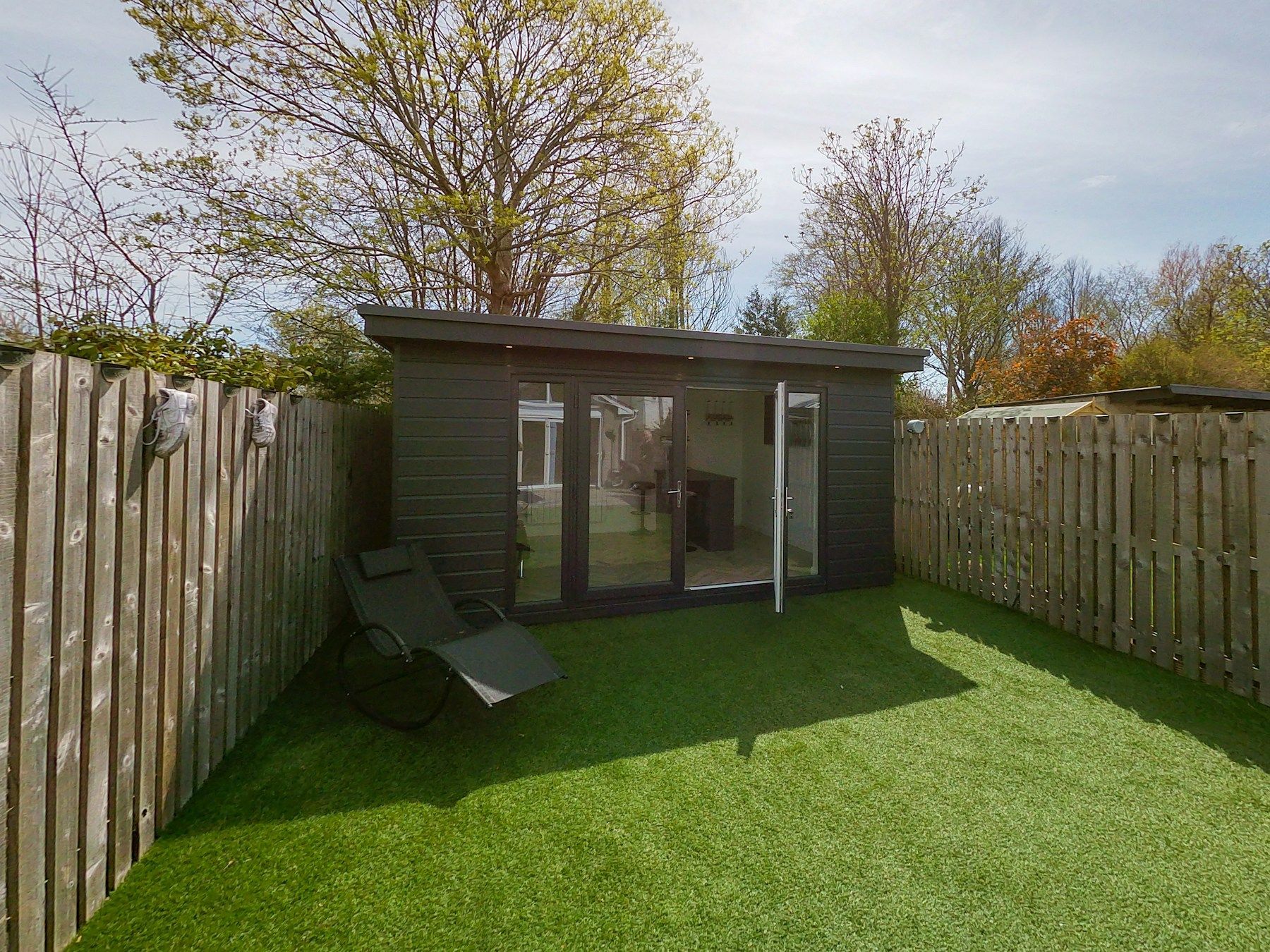
A busy family lawn often has to cope with football, outdoor furniture, toys, pets and the same routes between doors, gates and sheds. Natural grass can recover from ordinary use, but repeated wear in a small area may create bare soil and mud. Artificial turf keeps a consistent surface and can make the garden easier to use after rain, provided water can drain through the system beneath it.
It may also suit a shaded urban garden where natural grass remains thin despite appropriate care. However, synthetic turf does not solve every site problem. Standing water, unstable soil and poor levels must be corrected before installation. Covering a wet or uneven lawn without adequate preparation can leave dips, movement and slow drainage.
Families who enjoy gardening, wildlife and the changing character of a living lawn may prefer to keep some natural grass or planting. A mixed layout can combine an artificial play area with beds, trees, permeable paths and other planted spaces rather than treating the entire garden as one surface.
Choosing Artificial Grass for Family Gardens
Samples should be viewed outdoors because fibre colour and sheen change in natural light. A very long, soft pile may look luxurious, but it can flatten in busy routes and require more brushing. A shorter, denser product is often easier to keep upright in an actively used garden. The right balance depends on whether the space is mainly for appearance, sitting, regular games or pets.
Look beyond the top fibres. The backing must allow water to pass through, and joins must be planned so they remain secure and visually discreet. Edges beside paving, steps, beds and fences need a firm detail that prevents lifting. Check how the product should perform under the expected use.
- Compare samples for softness, density, colour variation and visible shine.
- Check that drainage characteristics suit the garden and sub-base.
- Plan firm edges around patios, paths, beds and play equipment.
- Consider how leaves, pet hair and garden debris will be removed.
- Choose the surface around actual daily use, not appearance alone.
Play Areas, Comfort and Safety
A level, correctly installed lawn provides a useful place for play, but artificial grass is not automatically a safety surface. If play equipment has a fall height, the whole surface build-up must be considered. A suitable shock-pad layer may be recommended for certain play areas, while the equipment itself still needs safe spacing, stable anchoring and age-appropriate supervision.
Surface temperature is another practical point. Synthetic fibres can become warmer than natural grass in strong sunshine, especially in sheltered gardens. Families should check the lawn before barefoot play on hot days and provide shade or choose a different play time when necessary. Dark garden furniture or reflective glazing can also create concentrated warm areas.
Good detailing reduces trips. Raised edges, loose joins and sudden level changes beside paving should be avoided. Toys, paddling pools and furniture should not remain in one position indefinitely because they can flatten the pile and trap moisture or debris.
Pets, Drainage and Hygiene
Artificial grass can prevent muddy paws and worn pet routes, but pet-friendly performance relies on drainage and cleaning. Liquid must pass through the turf and prepared base rather than collect at the surface. Solid waste should be removed promptly, and affected areas rinsed according to the manufacturer’s guidance. A suitable cleaner may occasionally be needed; strong household chemicals should not be applied without checking compatibility.
Persistent odour is often a sign that waste is being retained in the pile, backing or base. This can result from inadequate rinsing, poor drainage or an unsuitable installation build-up.
Leaves and organic matter should also be cleared. If allowed to break down, they can support weeds and algae in surface debris even though the artificial lawn itself does not grow. Rain does not replace routine cleaning or proper drainage.
Ground Preparation Matters Most
The visible grass is only the final layer. Installation normally involves removing the existing surface to an appropriate depth, correcting levels, installing and compacting a stable free-draining base, and applying the specified separating or weed-control layer. The exact build-up depends on the ground, proposed use and product system.
Water must be directed safely, without falling towards the house or causing a problem at a neighbouring property. Existing drains, clay soil, low spots and surrounding hard landscaping all influence the solution. Where the garden already holds water, the cause should be established before new materials are placed.
Access affects both preparation and cost. Narrow side passages, steps or routes through the home influence how excavated material is removed and aggregates are brought in. During work, children and pets should be kept away from excavations, machinery, sharp cut edges and stored materials.
Upkeep and Long-Term Expectations
Artificial turf avoids mowing, watering and lawn feeding, but it still needs care. Regular brushing lifts flattened fibres, while leaves, twigs and wind-blown litter should be removed with tools approved for the product. Spills are easier to deal with when cleaned promptly. Barbecues, fire pits and very hot items should be kept away because heat can damage synthetic fibres.
Furniture legs and high-traffic routes can compress the pile. Moving light furniture occasionally and brushing those areas helps maintain a more even finish. Weeds may appear along edges or in accumulated surface debris, so early removal is easier than allowing roots to develop.
Common mistakes include choosing on softness alone, ignoring drainage, placing turf over an unstable base and assuming no upkeep will be required. Professional advice is particularly useful for awkward levels, pet areas, play equipment or gardens with a history of standing water.
APCO has more than 30 years of experience creating practical outdoor spaces. Our artificial grass installation service covers ground preparation, sub-base construction, precise fitting, secure edges and optional shock-pad underlay where suitable.
Artificial grass for family gardens works best when the product and construction match the household’s real needs. Consider play, pets, drainage, heat, cleaning and the value of retaining planted areas before deciding. For site-specific advice or a quotation, contact APCO or call 01 626 3496 .
Recent Posts